ASI Wise & The Sensory Project

Sensory integration training in the UK & Ireland

Sensory Integration is Everyone’s Business

From everyday sensory understanding to specialist Ayres’ Sensory Integration education. Learning, resources and support for participation across the lifespan.

Already learning with us? Go to My Learning.

You are welcome here

Sensory integration courses for your next step.

Start with what matters to you. Explore practical learning for everyday life, or develop specialist assessment and intervention skills.

Compare learning routes

Everyday understanding & CPD

Short courses & workshops

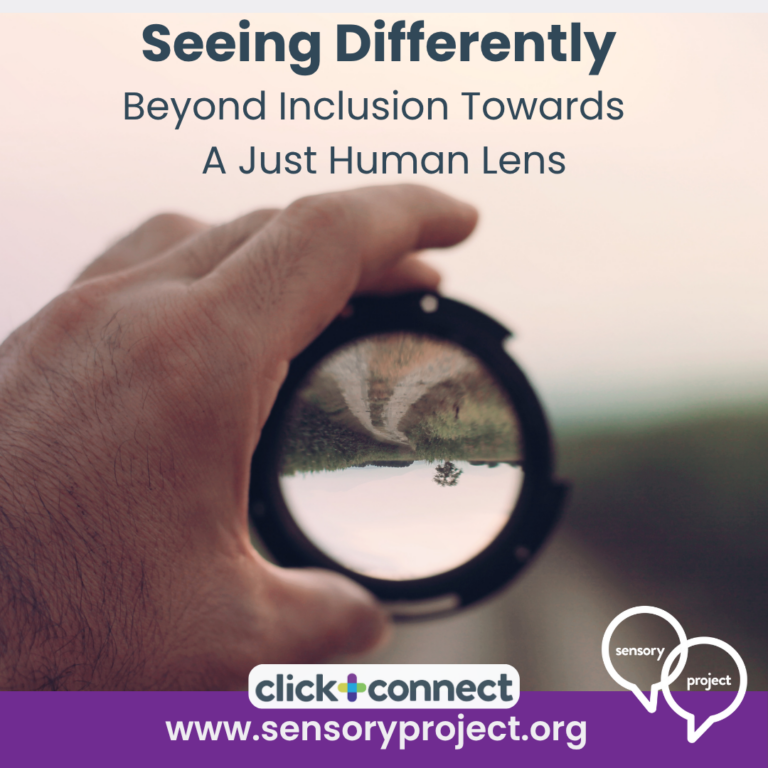
Explore Seeing Differently and Click and Connect learning for people supporting participation in education, health, care and everyday life.

A distinct learning offer. Not a replacement for specialist ASI assessment and intervention education.

Explore shorter learning

Specialist practice

ASI Wise Certificate

Develop Ayres’ Sensory Integration knowledge and practice through ASI1, ASI2 and ASI3, with CLASI learning within the pathway.

For eligible therapists. Explore the option to add postgraduate credit later, subject to requirements.

Explore the Certificate

Postgraduate study

MSc Advancing Practice

Explore the sensory integration pathway with Ulster University, combining practice-focused learning with postgraduate assignments and research.

For eligible therapists. Check entry, academic progression and current fees before applying.

Explore the MSc route

Already SIPT trained? Explore EASI conversion and check the entry requirements.

Certificate to MSc progression? See how the routes connect.

See our original learning journey graphic
Original graphic showing the relationship between ASI Wise Certificate learning and the Ulster University MSc route.

The Learning Route page provides the text comparison, current eligibility and progression information.

Free resources. Made with people.

Sensory Ladders® for everyday life.

Personal tools. Shared understanding. Created together.

Explore body states, sensory patterns and what supports participation. A Sensory Ladder is shaped with the person, in their own words, images and ways of communicating.

Free to access
No diagnosis required
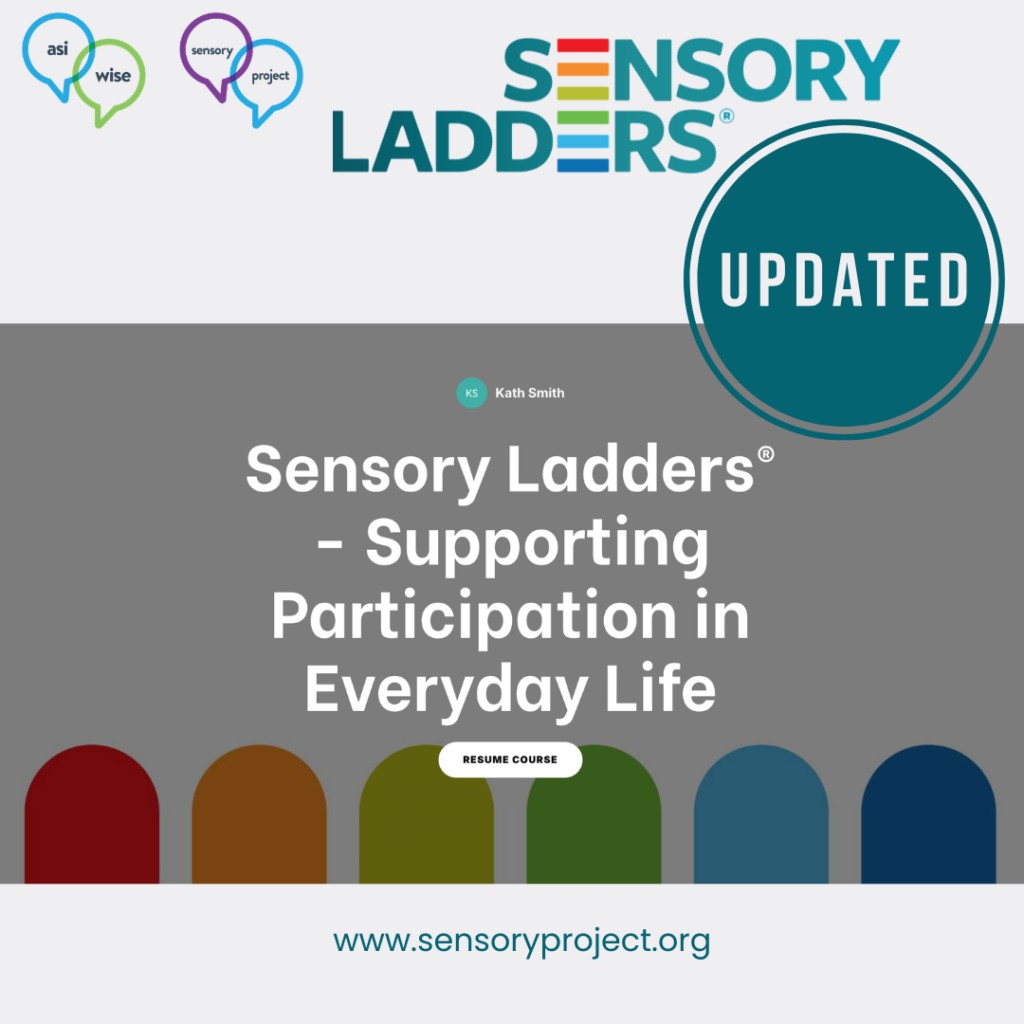
Sensory Ladders updated learning: Supporting Participation in Everyday Life.
Free English learning. Create your learning account to begin.
Updated Sensory Ladders content connects the senses with learning, movement, relationships and everyday participation.
Understand the approach, then explore the Sensory Ladders project.

Sensory First

Participation begins in the body.

Understand the person. Notice the context. Explore what makes participation possible.

We bring research, practice and lived experience into conversation. Through co-production, we explore the person, environment, activity and relational response, rather than expecting everyone to experience the world in the same way.

New to the ideas? Explore sensory integration and sensory processing.

Two children sitting together, with one whispering to the other.
Understanding grows through people and relationships.

Tools for shared understanding

Explore Sensory Spiders™ and personalise a Sensory Ladder® around what matters to the person.

Learning together, changing everyday practice

Sensory awareness training for your team.

Connect learning with the people, places and everyday activities your team supports.

Health, care & organisations

Explore workforce sensory awareness learning and discuss a starting point that fits your roles, service and priorities.

Explore organisational learning

Schools & education

Explore sensory integration in schools, with a focus on understanding sensory experience and supporting participation in learning.

Explore sensory learning for schools

Planning learning across different roles? Talk with our team about a shared starting point.

Evidence, reflection & everyday practice

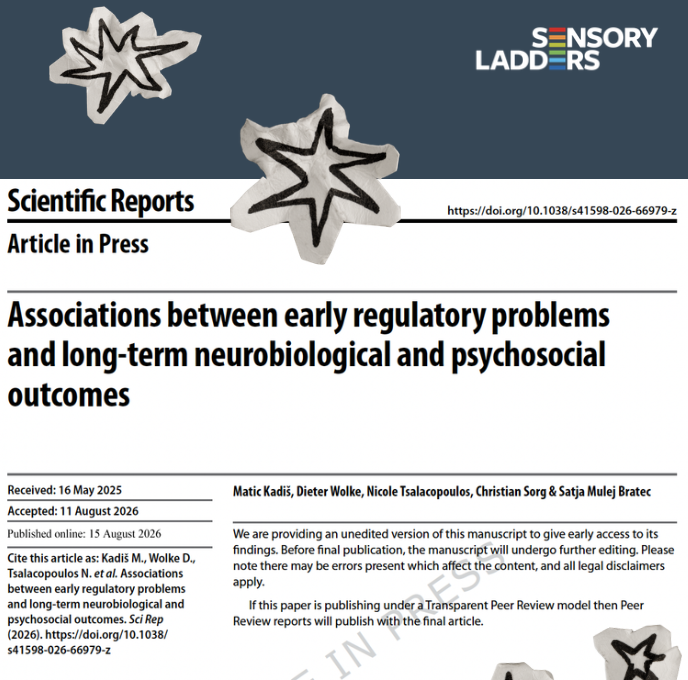
Sensory integration research. Questions that matter.

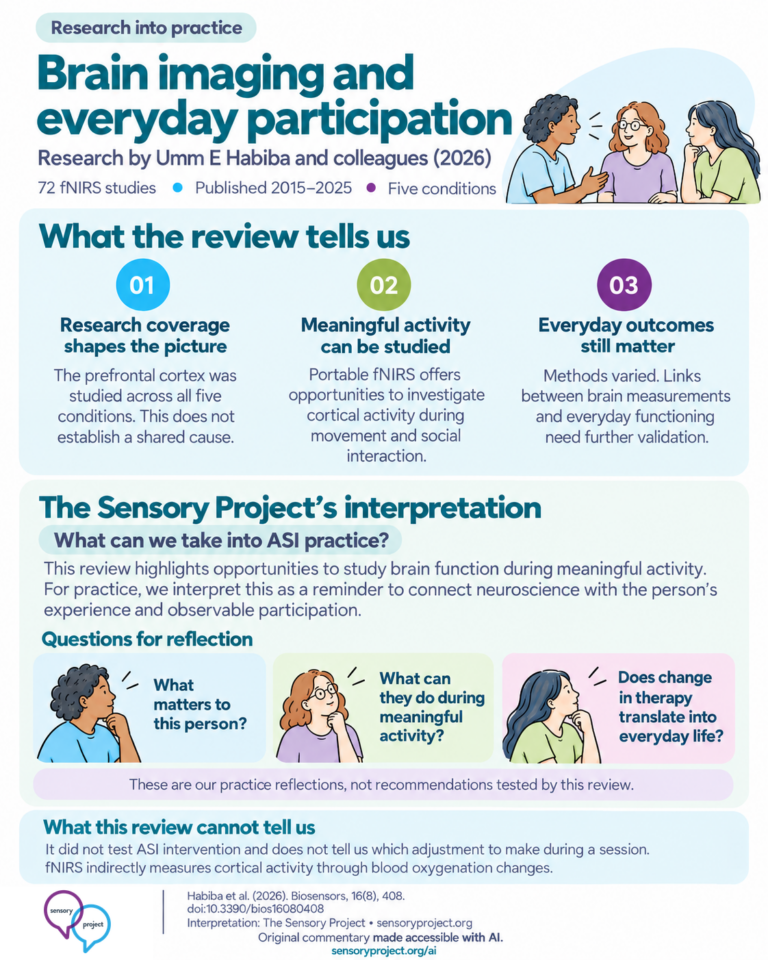
Explore what research finds, where uncertainty remains and what the ideas may mean for everyday participation.

Explore the research hub

Read our news and reflections, or meet the people behind our learning and resources.

A little clarity before you begin

Your sensory learning questions.

Clear information to help you find a useful starting point.

Ask our team
What is sensory integration?

Sensory integration describes how the nervous system brings sensory information together to help us make sense of experience and organise action. Our learning connects this understanding with participation in everyday life. Read about sensory integration and sensory processing.

Do I need to be a therapist to learn with you?

No. Free Sensory Ladders® learning and a range of shorter learning opportunities are available beyond therapy roles. The specialist Certificate and MSc routes have professional and academic entry requirements. Compare the learning routes.

What is the difference between the Certificate and MSc routes?

The routes share the ASI1–ASI3 practice-focused core. The MSc pathway includes postgraduate assignments and further academic study. Adding credit later depends on the relevant entry and progression requirements. Read the route comparison.

Are Sensory Ladders® resources free?

Yes. Sensory Ladders® resources and the English introductory learning are free to access. You do not need a diagnosis or professional qualification. The online learning requires an account. Explore the free resources.

Can you help us plan learning for a team?

Explore the organisational sensory awareness offer, then talk with us about your roles, setting and priorities. Read about organisational learning.

A person writing in a notebook at a table, with a laptop nearby.
Make space for reflection, connection and shared learning.

A community of practice. Learning together.

You do not have to work it all out alone.

Bring your questions, share your experience and stay connected as learning becomes part of everyday practice.

Explore our Communities of Practice, or contact the team for help finding a learning route or resource.

Doing. Being. Becoming. Belonging.

News & reflections

News and reflections. What we are noticing now.

New research, practice stories and community conversations, written to help you connect ideas with everyday participation.